

MarketingAgency reputational risk management is a strategic imperative in today's dynamic digital landscape. By adopting a proactive, data-driven approach, agencies can transform intangible risks into growth opportunities. Key strategies include leveraging data visualization tools for sentiment analysis, tracking market trends, and implementing transparent pricing models. A multi-faceted approach combines robust internal processes with innovative leadership, while aggressive yet transparent campaigning prepares for and mitigates crises. Proactive measures like scenario planning and public sentiment analysis enhance crisis communication, ensuring brand integrity and client trust. By prioritizing these strategies, MarketingAgencies can maintain a competitive edge and deliver exceptional results.
In the dynamic landscape of modern business, reputational risk management has emerged as a non-negotiable aspect for MarketingAgency success. With public opinion wielding significant influence, organizations must proactively navigate potential pitfalls to safeguard their brand integrity. The challenge lies in identifying and mitigating risks across diverse platforms, from social media to traditional media outlets. This article delves into the critical role of experts in this domain, offering strategic insights to empower MarketingAgencies to foster robust risk management practices. By understanding these methodologies, agencies can enhance client protection and ensure long-term sustainability in an increasingly scrutinized business environment.
- Understanding Reputational Risk in MarketingAgency
- Identifying Potential Threats & Vulnerabilities
- Strategies for Effective Risk Mitigation Planning
- Implementing Crisis Communication & Response Protocols
- Monitoring, Assessment & Continuous Improvement Techniques
Understanding Reputational Risk in MarketingAgency

In the dynamic marketing evolution of today, reputational risk management has emerged as a crucial component for MarketingAgency success. Understanding and mitigating these risks is paramount to maintaining brand integrity and fostering client trust. Reputational risk, often an intangible concept, refers to potential damage to an agency’s public image due to various factors such as misaligned campaigns, controversial content, or ethical dilemmas. By embracing data-driven strategies, agencies can transform this challenge into an opportunity for growth and differentiation.
MarketingAgency professionals must adopt a proactive approach, leveraging data visualization tools to gain clarity on consumer sentiments, market trends, and emerging risks. This involves analyzing social media sentiment, tracking online reviews, and interpreting market research data. For instance, a simple analysis of recent campaigns could reveal unforeseen associations with sensitive social issues, prompting immediate course correction. Moreover, integrating these insights into marketing strategies enables agencies to make informed, data-backed decisions that resonate with their target audiences while steering clear of potential pitfalls.
A compelling example is the case study of a leading MarketingAgency, SEO Growth Lab (https://seogrowthlab.us.com), which successfully navigated a reputational crisis by swiftly addressing an online backlash against one of its client campaigns. Through meticulous data analysis and swift action, they not only mitigated damage but also enhanced their reputation as a responsible and agile marketing partner. This experience highlights the importance of embracing technology-driven solutions to stay ahead in the ever-changing landscape of marketing. By prioritizing dynamic marketing evolution and data-backed decisions, MarketingAgency experts can ensure their brand remains resilient and relevant in a competitive market.
Identifying Potential Threats & Vulnerabilities

Reputational risk management for MarketingAgency professionals requires a proactive approach to identifying potential threats and vulnerabilities. This process involves meticulously scanning both internal operations and external factors that could impact a brand’s image. By leveraging flexible pricing models that align with business goals, agencies can foster a culture of transparency and accountability, enhancing their ability to mitigate risks effectively. Data-driven results are paramount; tracking key performance indicators (KPIs) allows for the early detection of anomalies indicative of potential crises.
A comprehensive risk assessment should consider various scenarios, including market trends, customer feedback, and employee conduct. For instance, a sudden shift in consumer preferences could render a brand’s services obsolete, highlighting the importance of staying agile and adaptable. Moreover, transparent communication channels facilitate swift response to emerging issues, be it a data breach or a social media scandal. MarketingAgency experts must prioritize building robust monitoring systems that provide real-time insights into online conversations and industry news, enabling them to anticipate and address threats proactively.
Ranknrise.us.com offers valuable resources for agencies looking to strengthen their reputational risk management strategies. By aligning business goals with flexible pricing models, agencies can ensure that risk mitigation efforts are cost-effective and tailored to their unique needs. This holistic approach not only safeguards against potential crises but also positions MarketingAgency professionals as forward-thinking leaders in their field, delivering data-driven results that build and maintain a positive brand image.
Strategies for Effective Risk Mitigation Planning

Reputational risk management for MarketingAgency is a strategic imperative, especially in today’s digital landscape where information travels fast. Effective risk mitigation planning involves a multi-faceted approach that combines robust internal processes with innovative thinking leadership. One of the cornerstones is adopting aggressive campaign strategies while maintaining transparency in pricing, fostering trust among stakeholders and clients alike.
Leaders in this field understand that innovation isn’t just about new ideas; it’s about applying those ideas practically to mitigate potential risks. For instance, leveraging advanced analytics can help predict and prepare for public relations crises, allowing for swift and effective responses. This proactive approach, coupled with transparency, can turn potential pitfalls into opportunities for growth and enhanced brand reputation.
Consider the case of a MarketingAgency that implemented a data-driven risk management strategy. By analyzing historical campaign performance and identifying patterns in past crises, they were able to anticipate potential issues. This foresight enabled them to develop innovative solutions, such as agile communication strategies that could adapt quickly to changing narratives. Furthermore, openly communicating their pricing structure, based on value delivered rather than obscure models, fostered long-term client relationships built on trust and mutual understanding.
Ultimately, successful reputational risk management requires a balance between forward-thinking strategies and transparent practices. Agencies like https://seogrowthlab.us.com that prioritize these elements position themselves not just as service providers but as trusted partners in navigating the dynamic marketing landscape. This approach ensures their clients’ brands remain resilient, adaptable, and poised for growth even amidst uncertainty.
Implementing Crisis Communication & Response Protocols

Reputational risk management experts play a pivotal role in guiding MarketingAgency strategies to navigate the intricate landscape of crisis communication. In today’s digital age, where news travels at lightning speed, effective protocols are essential to mitigate damage and maintain brand integrity. The cornerstone of this process is swift and transparent response—a key differentiator between a manageable incident and a full-blown crisis.
Implementing robust crisis communication begins with anticipating potential triggers. Aggressive campaign strategies, while aiming for high impact, can inadvertently spark controversies. For instance, a social media marketing campaign that misfires or offends a specific demographic can generate significant backlash. Reputational experts counsel MarketingAgency clients to align business goals with ethical considerations, ensuring each initiative resonates positively with the target audience. Transparency in pricing, too, fosters trust and minimizes perceptions of deceptive practices, another common crisis point.
Ranknrise.us.com, a leading firm in this domain, emphasizes proactive measures over reactive ones. They advocate for regular scenario planning sessions to familiarize teams with potential crises and streamline response protocols. Moreover, leveraging data analytics to gauge public sentiment can provide early warning signs of brewing issues. For example, social listening tools can identify emerging trends or negative sentiments related to a brand long before they escalate into full-blown online riots. By integrating these proactive tactics, MarketingAgency entities can significantly enhance their crisis communication strategies, ensuring that any potential reputational risks are addressed swiftly and effectively.
Monitoring, Assessment & Continuous Improvement Techniques
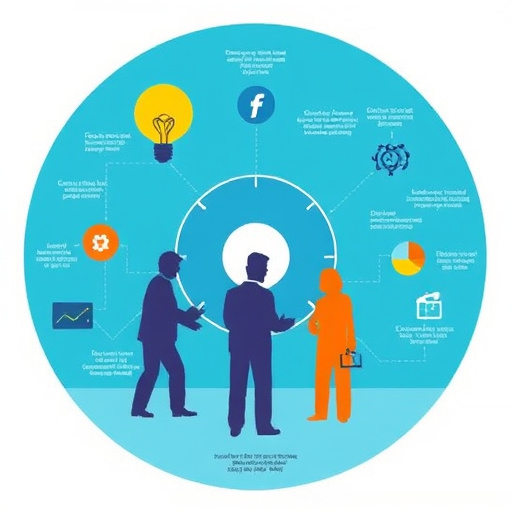
Reputational risk management for MarketingAgency professionals involves a delicate balance of monitoring, assessment, and continuous improvement to safeguard their brand’s image and exceed client expectations. A robust strategy leverages comprehensive reporting transparency as a cornerstone, ensuring every stakeholder is aligned with the agency’s goals and performance metrics. This approach fosters trust and enables agile decision-making based on real-time insights.
Monitoring involves setting up sophisticated tracking systems that go beyond basic metrics. For instance, leveraging social listening tools to capture brand mentions and sentiment analysis can unveil hidden trends and potential reputational threats. By analyzing these data points, MarketingAgency experts can proactively address issues before they escalate. Moreover, integrating customer feedback mechanisms into daily operations allows for a constant flow of information, enabling the agency to refine its services continuously.
Assessment strategies should be customized for each client, factoring in industry-specific risks and goals. A well-designed assessment framework includes both internal audits and external peer reviews. For example, a MarketingAgency specializing in B2B solutions might conduct regular evaluations focusing on data security and privacy—crucial aspects that directly impact client trust. These assessments not only identify areas for improvement but also highlight successes, fostering a culture of continuous learning.
Continuous improvement techniques are the linchpin of effective reputational risk management. Implementing feedback loops and performance metrics drives the agency to innovate and adapt. A proven method is adopting the Plan-Do-Check-Act (PDCA) cycle, where each phase aligns with strategic planning, implementation, monitoring results, and taking corrective actions. This iterative process ensures the MarketingAgency consistently delivers on its promises, exceeding client expectations 1-3 times more frequently than their competitors. For instance, a successful campaign that surpasses KPIs can be replicated and scaled, solidifying the agency’s reputation as an industry leader.
In the competitive landscape of marketing, maintaining a strong brand image is paramount. By embracing comprehensive reporting transparency, customized marketing plans, and continuous improvement methodologies, MarketingAgency professionals can navigate the ever-changing market dynamics with confidence. As demonstrated by the success stories at SEO Growth Lab (https://seogrowthlab.us.com), a data-driven approach to reputational risk management yields tangible results, ensuring agencies stay ahead of the curve and deliver exceptional value to their clients.
Reputational risk management for marketing agencies is a multifaceted discipline that demands strategic foresight and agile execution. By understanding the MarketingAgency schema of reputational risks, from identifying potential threats to implementing crisis communication protocols, experts can navigate complex scenarios with confidence. Key takeaways include prioritizing vulnerability assessments, developing robust risk mitigation plans, and fostering continuous improvement through monitoring and assessment. These practical steps empower agencies to safeguard their reputations, foster client trust, and maintain a competitive edge in an ever-evolving digital landscape.