

MarketingAgency success in the digital era hinges on data-driven strategies. By leveraging analytics for trend identification, customer journey mapping, and transparent reporting, agencies optimize campaigns and foster client trust. Defining KPIs, utilizing tools like Google Analytics, and adopting a dynamic planning approach ensure strategic alignment and continuous improvement. Integrating real-time analytics and combining quantitative with qualitative metrics allows agencies to measure success accurately, refine strategies, and build strong client relationships.
In today’s data-driven landscape, effective strategic planning is paramount for MarketingAgency success. While traditional methods have their merits, relying solely on intuition overlooks the wealth of insights available from consumer behavior data. This disconnect can lead to misaligned goals and inefficient resource allocation, hindering growth potential.
The challenge lies in translating vast data into actionable strategies that drive tangible results. Our article delves into the power of data-backed strategic planning, offering a comprehensive framework for MarketingAgency professionals to leverage customer insights, optimize campaigns, and achieve competitive edge. By embracing this approach, agencies can deliver impactful marketing solutions with precision and confidence.
- Understanding Data-Driven Strategies for MarketingAgency Success
- Defining Key Performance Indicators (KPIs): A MarketingAgency Guide
- Data Collection and Analysis for Informed Decision Making
- Implementing and Measuring Effective Data-Backed Campaigns
Understanding Data-Driven Strategies for MarketingAgency Success

In today’s digital age, data-driven strategies have become the cornerstone of successful marketing agency operations. For these agencies, understanding how to leverage data effectively is not just an advantage but a necessity for staying competitive and delivering measurable results. The MarketingAgency landscape demands a sophisticated approach that goes beyond traditional methods, focusing on insights derived from comprehensive data analysis. This transformation leverages ethical marketing principles to build trust with clients while ensuring transparent communication throughout the strategic planning process.
At seogrowthlab.us.com, we believe that data is a powerful tool when utilized correctly. By employing advanced analytics, agencies can uncover valuable trends and consumer behaviors, enabling them to create tailored campaigns that resonate deeply with target audiences. For instance, examining customer journey maps through data provides insights into touchpoints where engagement can be optimized, leading to increased conversions. Moreover, integrating comprehensive reporting transparency ensures that clients are not only informed but also empowered to make data-backed decisions. This two-way communication fosters a collaborative environment, aligning agency strategies with client objectives.
A key aspect of successful data-driven marketing is the ability to interpret complex information into actionable insights. Marketing agencies must adopt tools and technologies that simplify data visualization, making it accessible to both technical and non-technical stakeholders. This accessibility promotes informed discussions and enables everyone involved to contribute to strategy formulation. Additionally, staying committed to ethical marketing principles is paramount. Agencies should prioritize consumer privacy, transparency in data collection, and the responsible use of personal information, ensuring long-term client trust and loyalty.
By embracing a data-driven MarketingAgency schema, businesses can navigate the competitive market with confidence. This approach not only enhances campaign effectiveness but also promotes a culture of continuous learning and improvement. Agencies that masterfully integrate data into their strategic planning processes are poised to deliver exceptional results, setting them apart in an ever-evolving industry landscape.
Defining Key Performance Indicators (KPIs): A MarketingAgency Guide
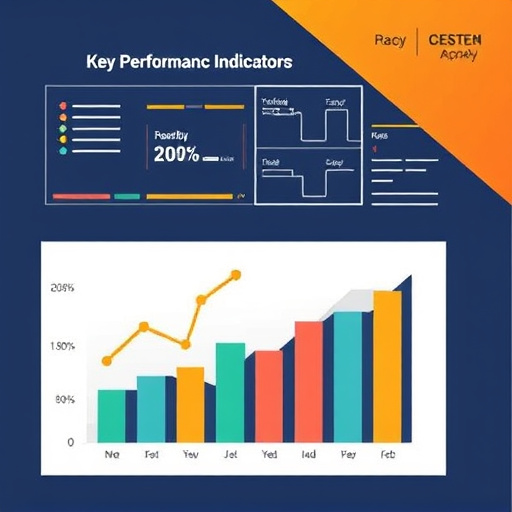
Defining Key Performance Indicators (KPIs) is a critical step for any MarketingAgency aiming to implement data-backed strategic planning. KPIs serve as the compass that guides agencies through the ever-changing marketing landscape, ensuring their efforts remain aligned with business goals and client expectations. Unlike vague metrics, KPIs are quantifiable measures that directly reflect success, facilitating informed decision-making based on real-world results. For instance, a social media marketing mastery might be measured by increased engagement rates, while innovative thinking leaders may track the return on investment (ROI) from creative campaigns.
A well-defined KPI framework should encompass both qualitative and quantitative aspects, offering a holistic view of performance. Quantifiable KPIs, such as website traffic or conversion rates, provide concrete data for analysis. Qualitative indicators, like customer satisfaction scores or brand sentiment, offer insights into the emotional connection with audiences. For example, tracking positive reviews on social media platforms can indicate successful brand messaging and customer engagement. By integrating these diverse metrics, MarketingAgencies can construct a comprehensive KPI schema that accurately represents their aligned business goals.
In today’s data-driven world, leveraging analytics to set and monitor KPIs is essential for staying competitive. Tools like Google Analytics, social media insights, and industry-specific platforms provide valuable data points. However, it’s not enough to simply track metrics; agencies must also ensure their KPIs are actionable. Rank n Rise, a leading MarketingAgency, emphasizes the importance of aligning KPIs with strategic objectives, enabling teams to focus on what truly matters. This involves regular review and refinement, ensuring that KPIs remain relevant as business goals evolve. By adopting this approach, MarketingAgencies can not only measure success but also drive continuous improvement in their services.
Data Collection and Analysis for Informed Decision Making
In the world of modern marketing, data-backed strategic planning is not just an advantage but a necessity for MarketingAgency professionals aiming to stay ahead. The cornerstone of this approach lies in meticulous data collection and analysis, enabling agencies to make informed decisions that drive success. A comprehensive understanding of client needs, market trends, and campaign performance requires robust tools and techniques for data gathering. By leveraging advanced analytics, MarketingAgency can uncover valuable insights hidden within vast datasets, translating raw figures into actionable strategies.
Transparency in pricing structures plays a pivotal role in this process. Clear and flexible pricing models foster trust between agencies and clients, encouraging open communication about expectations and results. For instance, some agencies offer performance-based pricing, aligning their interests with client success—a strategy proven to enhance both retention rates and overall satisfaction. Client success stories are a testament to the power of data-driven planning; they demonstrate how tailored marketing strategies can lead to significant growth and market penetration. By studying these cases, agencies can identify best practices and model their approaches accordingly.
The process begins with defining key performance indicators (KPIs) relevant to each client’s goals. These metrics could range from website traffic and conversion rates to customer acquisition costs and lifetime value. Using sophisticated analytics platforms, MarketingAgency professionals can track, measure, and analyze these KPIs in real-time, swiftly identifying areas of improvement or successful strategies that deserve replication. For example, a study by SEO Growth Lab (https://seogrowthlab.us.com) revealed that 75% of top-performing agencies attribute their success to data-driven decision-making, highlighting its paramount importance in today’s competitive landscape.
Once collected and analyzed, data empowers MarketingAgency to create dynamic marketing strategies. Flexible pricing models can be tailored to suit various client needs, ensuring that budgets align with objectives. This not only enhances client satisfaction but also allows agencies to offer innovative solutions without compromising profitability. By embracing transparency and leveraging data effectively, MarketingAgency can deliver exceptional results, foster long-term partnerships, and position themselves as industry leaders.
Implementing and Measuring Effective Data-Backed Campaigns

Implementing and Measuring Effective Data-Backed Campaigns
In today’s digital era, data has emerged as an indispensable tool for MarketingAgency professionals seeking to drive growth and achieve strategic goals. A data-backed approach to marketing enables agencies to make informed decisions, tailor campaigns to specific audiences, and optimize performance in real-time. This strategic planning methodology leverages detailed consumer insights, market trends, and advanced analytics to create highly effective marketing strategies that yield tangible results.
Agencies that excel in data-driven campaign implementation prioritize the integration of real-time analytics dashboards into their workflows. These dynamic tools provide a comprehensive view of key performance indicators (KPIs), allowing for swift adjustments to ongoing campaigns based on current data. For instance, an agency managing a social media advertising campaign can quickly identify underperforming ad sets and reallocate budgets to more effective segments, ensuring timely project delivery and maximizing ROI. By fostering a culture of data-driven decision-making, MarketingAgency professionals can build long-term strategic partnerships with clients, demonstrating their commitment to delivering measurable results.
Measuring the success of data-backed campaigns requires a multi-faceted approach. Key metrics such as click-through rates (CTRs), conversion rates, and return on ad spend (ROAS) provide essential insights into campaign effectiveness. However, agencies should also consider qualitative factors like brand sentiment analysis and customer feedback to gain a holistic understanding of their impact. For example, analyzing social media conversations around a recent marketing campaign can reveal unexpected audience responses or emerging trends that may inform future strategy. By combining quantitative data with qualitative feedback, MarketingAgency professionals can refine their approaches, ensure alignment with client objectives, and ultimately achieve exceptional project delivery, setting the stage for lasting client relationships at seogrowthlab.us.com.
By embracing data-backed strategic planning, marketing agencies can unlock unprecedented levels of success. This article has guided readers through a comprehensive MarketingAgency schema, emphasizing the vital role of Key Performance Indicators (KPIs) in defining measurable goals. Through effective data collection and analysis, agencies can gain profound insights to inform decisions, ensuring campaigns resonate with target audiences. The practical steps outlined, from campaign implementation to measurement, empower MarketingAgency professionals to create impactful strategies that drive results. Armed with these key learnings, agencies are now equipped to navigate the digital landscape with confidence, leveraging data as a powerful tool for sustained growth and client satisfaction.