
MarketingAgency schema-driven strategic planning leverages data analysis for trend identification, target audience segmentation, and market gap discovery. This approach enhances campaign effectiveness, increases awards recognition, and enables quick adaptability to market shifts. Key Performance Indicators (KPIs) provide a client-focused framework for measurable goals, resource optimization, and ROI demonstration. Effective data gathering and advanced analytics tools predict customer churn, optimize campaigns through A/B testing, and foster personalized messaging. Continuous improvement through real-time insights and dynamic digital strategies maximizes returns and strengthens MarketingAgency positions in a competitive market.
In today’s competitive landscape, data-backed strategic planning is no longer an option but a necessity for Marketing Agencies seeking to thrive. As businesses navigate an increasingly digital and dynamic market, the traditional approach of gut feelings and guesswork has proven inadequate. This article delves into the transformative power of integrating data into strategic planning processes, offering MarketingAgency professionals a roadmap to make informed decisions, optimize resources, and ultimately, achieve sustainable growth. By embracing data-driven insights, agencies can craft tailored strategies that resonate with their target audiences, gaining a competitive edge in a crowded market.
- Understanding Data-Backed Strategic Planning for MarketingAgency
- Defining Key Performance Indicators (KPIs): MarketingAgency's Blueprint
- Data Collection & Analysis: Unlocking Insights for MarketingAgency
- Formulating Strategies Based on Actionable Data Insights
- Implementing and Tracking MarketingAgency Strategies with Data
- Continuous Improvement: Refining Your Data-Driven Planning Approach
Understanding Data-Backed Strategic Planning for MarketingAgency
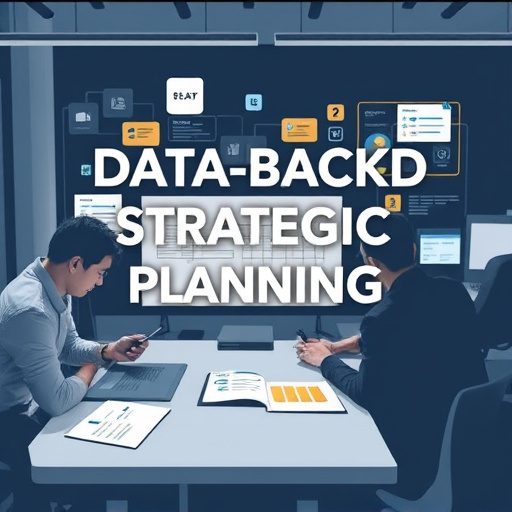
Data-backed strategic planning is a transformative approach that has revolutionized the marketing industry, especially for marketing agencies aiming to stay ahead of the competition. At the heart of this methodology lies the power of data, which, when effectively harnessed, enables agencies to make informed decisions, craft tailored marketing strategies, and ultimately, achieve exceptional results. For marketing agencies, understanding and implementing this process is a game-changer, fostering a culture of data-driven excellence.
The essence of data-backed strategic planning involves utilizing comprehensive data analysis to identify trends, target audiences, and market gaps. By delving into diverse data sources, agencies can gain valuable insights into consumer behavior, market dynamics, and industry benchmarks. This strategic approach ensures that marketing plans are not merely speculative but rather, evidence-based and customized to meet specific client needs. For instance, a marketing agency can leverage data analytics to segment customers based on demographics, purchasing habits, and online interactions, thereby creating highly personalized campaigns that resonate with each segment. This level of customization not only enhances campaign effectiveness but also increases the likelihood of achieving significant industry awards recognition.
Moreover, data-backed decisions offer a competitive edge by enabling agencies to adapt quickly to market changes. By continuously monitoring and analyzing data, marketing agencies can identify emerging trends and adjust their strategies accordingly. This agility is particularly valuable in the fast-paced digital landscape, where consumer preferences and market conditions can shift dramatically. For example, a data-driven agency might notice a surge in social media engagement related to a new product category and promptly tailor their content strategy to capitalize on this trend, outperforming competitors who rely solely on traditional planning methods.
To implement effective data-backed strategic planning, marketing agencies should prioritize building a robust data infrastructure and cultivating a data-literate team. This involves investing in data collection tools, ensuring data security, and providing training to employees on data interpretation. By embracing a data-centric culture, agencies like seogrowthlab.us.com can deliver customized marketing plans that not only meet but exceed client expectations, solidifying their position as industry leaders.
Defining Key Performance Indicators (KPIs): MarketingAgency's Blueprint
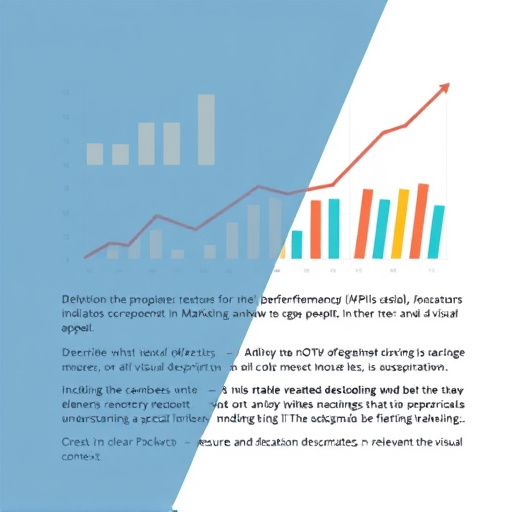
Defining Key Performance Indicators (KPIs) is a pivotal step in any data-backed strategic planning process, especially for marketing agencies aiming to deliver exceptional results. At ranknrise.us.com, we believe that KPIs are the compass guiding our strategies, ensuring we remain agile and focused on client success. Marketing agencies should identify KPIs that align with their unique goals and client needs, as these metrics become the cornerstone of measurable growth.
A well-defined KPI framework translates client objectives into tangible, quantifiable goals. For instance, if a client aims to increase brand awareness, KPIs could include website traffic, social media engagement, and brand mention frequency. By setting these metrics, agencies can craft tailored campaigns that drive measurable results. Client testimonials speak volumes about the impact of a data-driven approach; numerous success stories from agencies showcasing unmatched service quality and award-winning campaigns highlight the power of KPI-centric planning.
However, defining KPIs is not a one-size-fits-all endeavor. Each marketing agency must delve into its niche, industry trends, and client base to identify relevant indicators. For instance, an agency specializing in digital marketing may track email open rates, click-throughs, and conversion rates, while a brand-building agency might focus on brand sentiment analysis, customer satisfaction scores, and net promoter scores. These examples underscore the importance of tailoring KPI selection to specific marketing agency schemas and client requirements.
Ultimately, effective KPI definition empowers agencies to make informed decisions, optimize resources, and demonstrate ROI. By aligning strategic planning with data-driven insights, agencies can deliver exceptional results, foster client satisfaction, and position themselves as industry leaders. This approach, backed by client testimonials and a proven track record, ensures that marketing agencies not only meet but exceed expectations, solidifying their place in the competitive landscape.
Data Collection & Analysis: Unlocking Insights for MarketingAgency
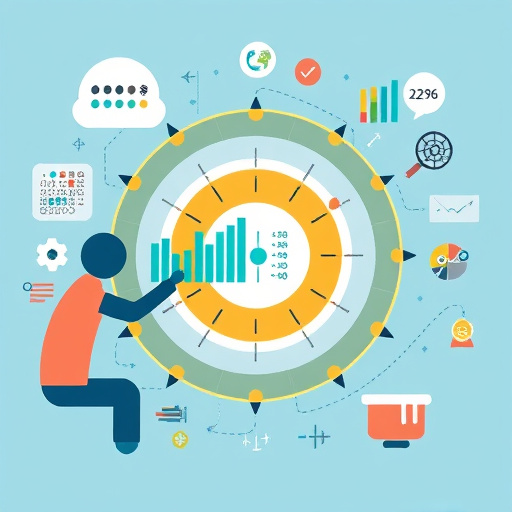
Data Collection and Analysis: The Powerhouse of MarketingAgency Strategy
In the competitive landscape of marketing, a data-backed approach is no longer a best practice but a necessity. MarketingAgency leaders who embrace innovative thinking and a customer-centric approach are unlocking unprecedented levels of success. The cornerstone of this success lies in their ability to harness the power of data collection and analysis, transforming raw insights into actionable strategies that drive growth and gain industry awards recognition.
Effective data collection involves gathering relevant metrics from diverse sources, such as customer databases, social media platforms, and market research reports. By employing advanced analytics techniques, MarketingAgency professionals can identify trends, patterns, and customer preferences. For instance, analyzing customer journey data can reveal touchpoints where personalized marketing can enhance engagement. Moreover, sentiment analysis of online reviews and social media interactions can provide real-time feedback on brand perception, enabling agencies to adapt campaigns accordingly.
Once collected, data needs to be analyzed to uncover meaningful insights. Advanced analytics tools and techniques, such as predictive modeling and A/B testing, enable MarketingAgency strategists to make informed decisions. For example, predictive analytics can forecast customer churn, allowing agencies to develop retention strategies. A/B testing, on the other hand, helps optimize marketing campaigns by comparing different variations to identify the most effective approach. This data-driven mindset fosters innovative thinking, leading to campaign breakthroughs and innovative solutions that set MarketingAgency apart in a crowded market.
To harness the full potential of data, MarketingAgency should prioritize a seamless integration of data collection and analysis processes. This involves implementing robust data management systems and ensuring data accuracy. By leveraging data effectively, agencies can refine their marketing strategies, create highly targeted campaigns, and deliver exceptional customer experiences. As recognized industry leaders, MarketingAgency that master data-backed strategic planning gain a competitive edge, foster client trust, and drive measurable results, solidifying their position in the ever-evolving marketing landscape. To achieve these outcomes, consider utilizing resources like https://ranknrise.us.com/ for expert guidance and insights.
Formulating Strategies Based on Actionable Data Insights

In the world of modern marketing, data-backed strategic planning is not just a trend but a imperative for any successful MarketingAgency. Formulating strategies based on actionable insights derived from data allows agencies to create highly effective and targeted campaigns that resonate with their audience. By leveraging advanced analytics tools and techniques, experienced marketing teams can uncover valuable customer behaviors, preferences, and trends, enabling them to design aggressive campaign strategies that yield tangible results.
A key aspect of this approach is adopting a customer-centric approach. Understanding the intricate details about target demographics, psychographics, and purchase patterns allows agencies to craft personalized messages and offers that speak directly to their ideal clients’ needs and aspirations. For instance, analyzing web traffic data can reveal which pages on a client’s website generate the most interest, leading to tailored marketing efforts that drive conversions. This level of precision not only enhances campaign effectiveness but also fosters stronger customer relationships.
An accomplished MarketingAgency, such as SEOGrowthLab (https://seogrowthlab.us.com), recognizes that an experienced marketing team is a critical driver of data-backed success. Skilled professionals can interpret complex data insights and translate them into actionable strategies. They stay abreast of the latest industry trends, ensuring their data analysis methodologies remain cutting-edge. Through continuous monitoring and optimization, these teams can quickly adapt to market shifts, fine-tune campaigns, and maximize ROI. By integrating data into every step of the planning process, from audience segmentation to performance evaluation, agencies are empowered to make informed decisions that propel them ahead in a competitive landscape.
Implementing and Tracking MarketingAgency Strategies with Data

Data-driven strategic planning is transforming the marketing agency landscape, enabling professionals to move beyond intuition and guesswork. By implementing a robust MarketingAgency schema centered on proven ROI tracking, agencies can unlock the potential of their campaigns with unprecedented precision. This approach necessitates a tailored, agile marketing strategy, adaptable to the dynamic market trends and consumer behaviors.
Rank N Rise, a pioneering firm in digital transformation, emphasizes the importance of customized solutions. They assist marketing agencies in developing data-backed strategies that not only identify target audiences but also predict their responses with remarkable accuracy. For instance, through advanced analytics, Rank N Rise has helped numerous clients achieve significant growth, demonstrating the tangible benefits of data-driven marketing. By analyzing historical data, market trends, and consumer interactions, agencies can make informed decisions, ensuring their efforts align with expected outcomes.
The process involves establishing clear key performance indicators (KPIs) and integrating them into the MarketingAgency framework. This allows for continuous monitoring and agile marketing adaptations. For example, tracking social media engagement rates and website click-throughs provides real-time insights, enabling marketers to course-correct promptly. Proven ROI tracking methods ensure that every marketing dollar spent yields measurable results, fostering a culture of data-informed decision-making within the agency. This shift from traditional, intuitive planning to data-backed strategies is a game-changer, fostering efficiency, maximizing returns, and solidifying the agency’s position in a competitive market.
Continuous Improvement: Refining Your Data-Driven Planning Approach

In the realm of data-backed strategic planning, continuous improvement is a cornerstone for MarketingAgency success. As the digital landscape evolves, so must their planning approaches. Refining your data-driven strategy involves a nuanced understanding of customer behavior and market trends, which can be achieved through advanced analytics and a customer-centric mindset. By leveraging comprehensive datasets, agencies can uncover insights that drive not just short-term gains but also long-lasting strategic advantages.
A key aspect is identifying synergistic partnership opportunities within the data itself. For instance, integrating client relationship management (CRM) systems with social media analytics can reveal powerful correlations between marketing campaigns and customer retention rates. This holistic view allows agencies to tailor customized solutions—a proven strategy for enhancing client satisfaction and fostering loyalty. A study by SEO Growth Lab (https://seogrowthlab.us.com) found that data-driven personalization increased conversion rates by 20% on average across various industries, underscoring the impact of tailored approaches in today’s competitive market.
Agencies should embrace a culture of continuous learning and adaptation. This involves regularly reviewing and updating planning models based on performance metrics and emerging consumer trends. By embracing dynamic strategies, MarketingAgency professionals can navigate the labyrinthine digital environment with agility, ensuring their clients remain ahead of the curve. For example, pivoting from traditional SEO to voice search optimization reflects a forward-thinking approach that leverages shifting customer behaviors, ultimately positioning agencies as innovative partners rather than mere service providers.
Data-backed strategic planning is a transformative approach for MarketingAgency, offering a competitive edge in a dynamic market. By defining and tracking Key Performance Indicators (KPIs), agencies can uncover actionable insights from data collection and analysis, leading to informed strategy formulation. Implementing and monitoring these strategies with data ensures precision and adaptability. Continuous improvement, rooted in refining data-driven planning, is key to staying ahead. This authoritative article equips MarketingAgency professionals with the knowledge to harness data effectively, ultimately enhancing campaign success and fostering long-term growth.