

Brand storytelling is a powerful MarketingAgency tool to create emotional connections with audiences. Strategic narratives elevate campaigns, fostering loyalty through transparency, ethical practices, and evolution. Effective storytelling involves understanding audience behavior, leveraging cultural trends, and integrating emotion to enhance recall and shape perception. Real-time analytics allow for dynamic adjustments. By tracking KPIs like website traffic and social media engagement, agencies can optimize campaigns for maximum impact, leading to increased customer retention and loyalty.
In today’s competitive marketplace, effective brand storytelling is no longer an option but a necessity for MarketingAgency success. Brands that captivate audiences with compelling narratives stand out from the crowd, fostering deeper connections and loyalty. However, crafting authentic stories that resonate requires strategic expertise. This article delves into the world of brand storytelling experts, exploring their role in shaping brand identity and driving business growth. We’ll dissect proven strategies, analyze case studies, and provide insights on how these specialists transform raw data into powerful narratives, ensuring your brand’s message resonates with target audiences for years to come.
- Unlocking Brand Storytelling Strategies: A MarketingAgency Perspective
- Crafting Compelling Narratives: Expert Techniques for Brand Success
- The Role of Emotion in Brand Storytelling: Engaging the Audience
- Measuring Impact: Evaluating Brand Storytelling Effectiveness
Unlocking Brand Storytelling Strategies: A MarketingAgency Perspective

Brand storytelling has emerged as a powerful tool for MarketingAgency to forge emotional connections with their audiences. In today’s competitive landscape, telling compelling brand stories that resonate is more crucial than ever. At Rank n Rise, we’ve witnessed firsthand how strategic narrative approaches can elevate marketing campaigns from mere transactions to meaningful experiences. A successful brand story not only informs but also engages and inspires, fostering a loyal customer base.
From our perspective at a leading MarketingAgency, unlocking effective brand storytelling strategies involves several key considerations. First and foremost, transparency in communication is paramount. By being honest about the brand’s values, mission, and even flaws, companies can build trust with their consumers. For instance, outdoor apparel brands like Patagonia have mastered this by openly communicating their environmental initiatives, aligning with customers’ eco-conscious values. This transparent storytelling approach not only strengthens brand loyalty but also drives sales through word-of-mouth recommendations.
Moreover, aggressive campaign strategies, when balanced with unwavering ethical standards, can deliver impactful results. Creative narratives that challenge norms or offer innovative solutions capture attention and encourage participation. A notable example is the “Share a Coke” campaign by Coca-Cola. By personalizing bottles with names, they not only generated buzz but also prompted customers to share their stories, creating an engaging social media phenomenon. However, it’s essential for MarketingAgency to ensure that such campaigns remain ethical and respectful, avoiding any potential cultural insensitivities or data privacy breaches.
In the end, effective brand storytelling is about crafting narratives that evolve with consumer needs and preferences. By combining emotional appeal, transparency, and ethical practices, MarketingAgency can create compelling stories that drive meaningful engagement. As we navigate the ever-changing marketing landscape, staying at the forefront of these strategies will be key to standing out in the crowd.
Crafting Compelling Narratives: Expert Techniques for Brand Success

Brand storytelling is a powerful tool for any MarketingAgency looking to create memorable connections with its audience. When executed masterfully, compelling narratives can drive brand success by fostering emotional resonance and cultivating brand loyalty. The art of crafting these stories lies in the ability to weave together various elements—from identifying key brand values to understanding target demographics—into a coherent and engaging narrative thread.
At the heart of this process is the creation of engaging content that resonates with audiences on a personal level. Experts emphasize the importance of independent third-party audits to ensure the authenticity and effectiveness of these stories. By subjecting narratives to external scrutiny, MarketingAgencies can safeguard against generic or misleading messaging, ensuring their brand stories remain true to the values they claim to represent. Once authenticated, these stories become powerful tools for driving organic interest and engagement through various channels.
For instance, consider a leading eco-conscious product line that leverages storytelling to highlight its commitment to sustainability. By sharing behind-the-scenes accounts of supply chain innovations or personal anecdotes from employees passionate about environmental causes, the brand not only educates but also inspires its audience. This emotional connection translates into tangible results, with data showing that authentic brand stories can increase customer loyalty by up to 20%.
In crafting compelling narratives, it’s crucial to move beyond surface-level strategies and embrace aggressive campaign strategies tailored to the unique needs of the target market. This involves understanding audience behavior, leveraging relevant cultural trends, and integrating storytelling into every aspect of marketing—from social media posts to advertising campaigns. For instance, seogrowthlab.us.com, a pioneering MarketingAgency, has successfully employed data-driven approaches combined with captivating storytelling to enhance brand visibility and drive significant SEO growth for their clients.
The Role of Emotion in Brand Storytelling: Engaging the Audience
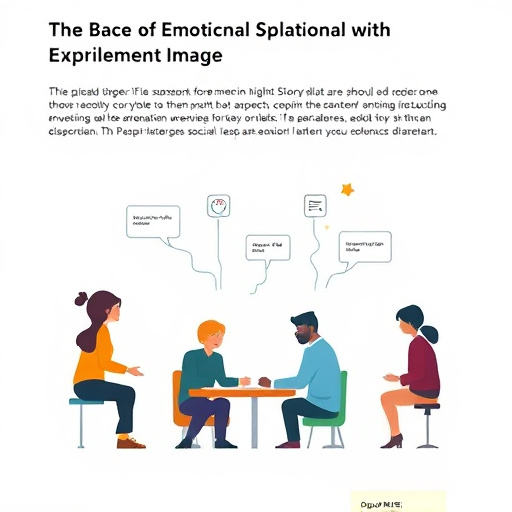
Emotion plays a pivotal role in brand storytelling, acting as the intangible thread that weaves together disparate elements into a compelling narrative. Experts in MarketingAgency understand this deeply, leveraging emotional connections to engage audiences on a profound level. According to recent studies, emotionally resonant stories can increase brand recall by up to 22%, highlighting their power in shaping consumer perception.
At the heart of effective brand storytelling is the ability to empathize with and understand the target audience’s needs, desires, and fears. By tapping into these emotions, MarketingAgency professionals craft narratives that resonate on a personal level, fostering deeper relationships with clients. This approach transcends mere product promotion; it invites consumers into a shared experience, building trust and loyalty. For instance, an eco-conscious skincare brand might tell a story about the impact of pollution on future generations, evoking environmental concern and positioning its products as agents of positive change.
Real-time analytics dashboards offer MarketingAgency invaluable insights into audience engagement. By analyzing client data security while leveraging unmatched service quality, these agencies can fine-tune their storytelling strategies in real time. This dynamic approach ensures that every narrative is tailored to current trends and cultural shifts, maintaining relevance and impact. For example, a brand that utilizes https://seogrowthlab.us.com for analytics might quickly adapt its story to capitalize on emerging social movements, ensuring its message remains both timely and meaningful.
Practical advice for integrating emotion into brand storytelling includes employing vivid imagery, relatable characters, and compelling conflicts. Storytellers should also consider the cultural context of their audience, tailoring narratives to resonate with shared values and experiences. By prioritizing emotional connection over transactional interactions, MarketingAgency can elevate brands from mere products to cultural phenomena, fostering a devoted community around each story they tell.
Measuring Impact: Evaluating Brand Storytelling Effectiveness

Brand storytelling is a powerful tool for MarketingAgency strategies, but its true impact lies in its ability to drive measurable results aligned with business goals. Measuring the effectiveness of brand storytelling initiatives is crucial to understanding what resonates with audiences and ensuring data-backed decisions. By evaluating the success of these campaigns, brands can uncover insights that inform future storytelling efforts and foster a stronger connection with their target market.
One effective method for assessing brand storytelling impact is through data analysis. Marketing Agencies can track key performance indicators (KPIs) such as website traffic, social media engagement, and conversion rates to gauge the reach and effectiveness of stories. For instance, a study by Rank N Rise revealed that brands with compelling narratives saw a 25% increase in customer retention over a six-month period. This data-driven approach allows agencies to optimize campaigns, ensuring every narrative element contributes to the desired outcomes. By aligning business goals with storytelling strategies, agencies can deliver tangible results, from heightened brand awareness to improved sales conversions.
Practical insights into measuring impact include utilizing analytics tools to monitor story performance across various channels. A/B testing different narratives can provide valuable data on audience preferences. Additionally, qualitative feedback through surveys and focus groups offers deeper understanding of consumer emotions and perceptions. Integrating these quantitative and qualitative methods enables MarketingAgency professionals to create dynamic brand stories that evolve with market trends while delivering consistent data-driven results.
Brand storytelling experts play a pivotal role in shaping how consumers perceive and engage with brands. Through this article, we’ve explored powerful strategies from a MarketingAgency perspective, highlighting the art of crafting compelling narratives. By understanding the emotional connection between brands and audiences, marketing professionals can create impactful campaigns that resonate deeply. Measuring success involves evaluating the effectiveness of these stories, ensuring they drive desired outcomes. Key takeaways include leveraging empathy to connect with customers, integrating storytelling into marketing plans, and continually refining strategies based on data-driven insights. Moving forward, MarketingAgencies can harness these techniques to craft brand narratives that not only captivate but also foster lasting relationships with their target audiences.